Next-generation market intelligence represents a significant shift in how organizations analyze consumer behavior and market dynamics. By integrating advanced analytics and artificial intelligence, businesses gain crucial insights from real-time data. This shift enhances decision-making agility and fosters personalized consumer experiences. As companies adapt to this evolving landscape, understanding the implications and applications of these technologies will be essential for maintaining competitiveness. What specific strategies will emerge as frontrunners in this transformation?
Understanding Next-Generation Market Intelligence
How can organizations leverage advancements in technology to enhance their market intelligence capabilities?
By utilizing data analytics and AI, firms can accurately identify consumer trends and improve market forecasting.
This technological integration allows for real-time insights, enabling organizations to anticipate shifts in consumer behavior.
Consequently, businesses can make informed decisions, adapt strategies, and maintain a competitive edge in rapidly evolving markets.
The Role of Advanced Analytics in Market Insights
Advanced analytics serves as a pivotal tool in deriving actionable market insights, enabling organizations to dissect complex data sets and uncover hidden patterns.
Through predictive modeling, businesses can forecast trends and consumer behavior, enhancing decision-making processes.
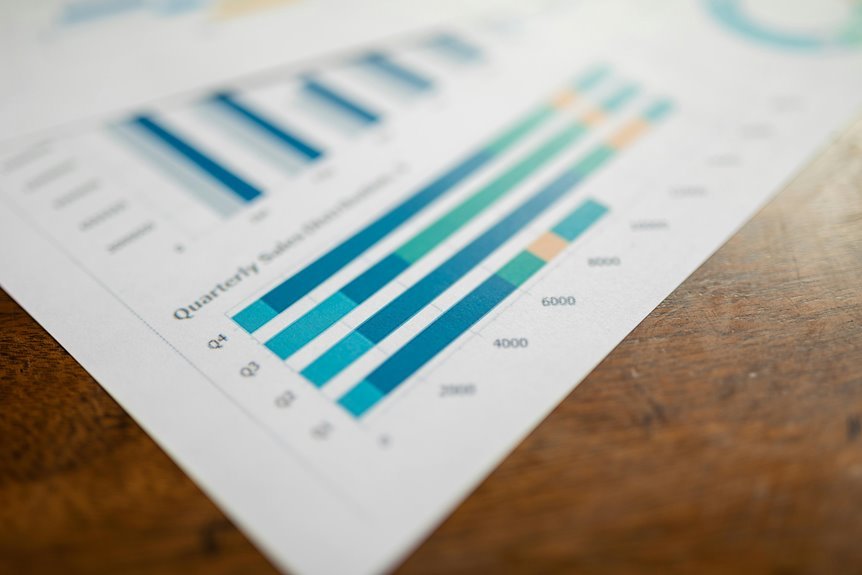
Data visualization further amplifies these insights, presenting information in an accessible format that drives strategic initiatives, ultimately fostering a culture of informed freedom and agility in market responsiveness.
Impact of Artificial Intelligence on Consumer Behavior
Artificial Intelligence (AI) significantly reshapes consumer behavior by enabling personalized experiences and enhancing engagement.
AI-driven personalization fosters deeper connections, as brands tailor offerings to individual preferences. This strategic approach increases consumer trust, ultimately driving loyalty and satisfaction.
As AI technologies evolve, their influence on decision-making processes will become increasingly profound, allowing consumers to feel more empowered in their choices and interactions.
Real-Time Data and Strategic Decision-Making
As organizations increasingly embrace real-time data analytics, their capacity for strategic decision-making is markedly enhanced.
Real-time tracking systems enable businesses to gather instantaneous insights, facilitating decision optimization. This agility allows companies to adapt to market fluctuations, identify emerging trends, and make informed choices that align with their objectives.
Ultimately, harnessing real-time data transforms strategic frameworks, promoting a culture of informed, responsive decision-making.
Conclusion
In conclusion, next-generation market intelligence represents a pivotal shift in how businesses navigate the complexities of consumer behavior and market dynamics. By harnessing advanced analytics and AI, organizations can glean actionable insights from real-time data, enabling agile decision-making. As the adage goes, “Knowledge is power”; thus, those who leverage these technologies are better positioned to foster meaningful connections with consumers and sustain a competitive advantage in an increasingly volatile marketplace.